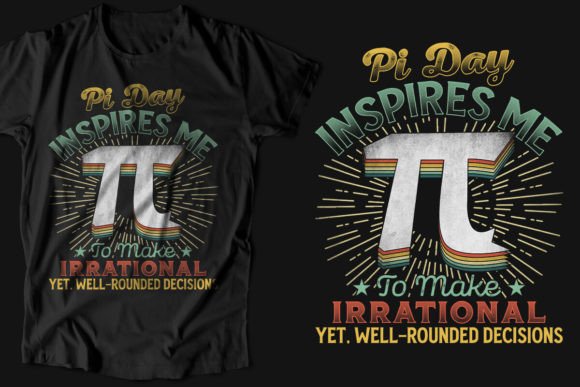
Retro Vintage Pi Day T-shirt Design: A Creative Asset
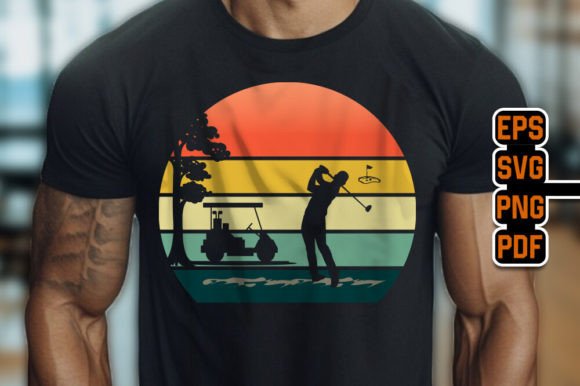
Imagine a design that instantly evokes nostalgia while celebrating mathematical brilliance—a Retro Vintage Pi Day T-shirt Design does exactly that. This graphic asset blends retro aesthetics with modern appeal, offering designers a versatile tool for various creative projects. Its distressed textures, classic typography, and muted color palettes create a unique visual language that stands out in today's saturated market.
Why This Design Style Resonates in Modern Graphic Design
In an era of minimalist digital interfaces, retro vintage designs provide emotional depth and authenticity. They tap into cultural memory, making them powerful for branding and visual communication. A well-executed Retro Vintage Pi Day T-shirt Design demonstrates how thematic cohesion—combining mathematical symbols with nostalgic art—can create memorable brand touchpoints.
From a practical standpoint, this design approach excels in visual hierarchy. The structured composition guides the viewer's eye naturally, while the vintage treatment adds character without sacrificing readability. For designers, this balance is crucial when creating assets that need to work across multiple platforms and sizes.
Practical Applications Across Creative Projects
The versatility of this design style extends far beyond merchandise. Consider these applications:
- Brand Identity Systems: Use elements from the design to create cohesive visual language for educational brands, tech companies, or lifestyle products targeting math enthusiasts.
- Marketing Collateral: Adapt the retro aesthetic for social media graphics, email headers, or digital advertisements that need to stand out in crowded feeds.
- Packaging Design: The vintage treatment works exceptionally well for specialty products, limited editions, or subscription boxes targeting niche audiences.
- Editorial Layouts: Incorporate design elements into magazine spreads, blog graphics, or educational materials that require visual interest without overwhelming content.
Optimizing for Different Media Formats
When working with a Retro Vintage Pi Day T-shirt Design, consider scalability from the start. The high-resolution PNG files ensure crisp reproduction on large format prints, while SVG formats maintain quality across digital applications. For web design and UI elements, extract specific motifs or typography to create consistent visual accents throughout your interface.
The color palette—typically featuring muted tones and vintage hues—offers excellent flexibility. These colors maintain visual consistency across print and digital media while providing sufficient contrast for accessibility standards. Designers can easily adjust saturation or brightness to match existing brand guidelines without losing the design's authentic character.
Integrating Vintage Aesthetics with Contemporary Design Workflows
Successful integration requires thoughtful adaptation. Start by analyzing the design's core elements: typography style, texture patterns, composition balance, and color relationships. These components can be deconstructed and reassembled to serve specific design goals while maintaining the retro vintage essence.
For branding projects, extract the typographic approach and apply it consistently across headlines, subheads, and body text. The distressed textures can become subtle background elements that add depth without distracting from primary content. This method creates visual cohesion while preserving the design's unique character.
Remember that retro vintage designs work best when they complement rather than dominate a visual system. Use them strategically—as accent elements, focal points, or thematic treatments—to enhance communication without compromising functionality or readability.
Thoughtful design choices transform ordinary projects into memorable experiences. Quality creative assets like this provide the foundation, but your strategic application determines their ultimate impact. By understanding how visual elements communicate emotion and meaning, designers can leverage retro vintage aesthetics to create work that resonates deeply with audiences while achieving practical communication goals.