Mastering CMA SVG Design for Professional Visual Assets
Every designer knows the frustration of searching for the perfect vector asset, only to find low-quality files that limit creative potential. This is where a high-quality CMA SVG Design solution becomes an indispensable part of a modern design workflow, offering the precision and flexibility required for professional projects.
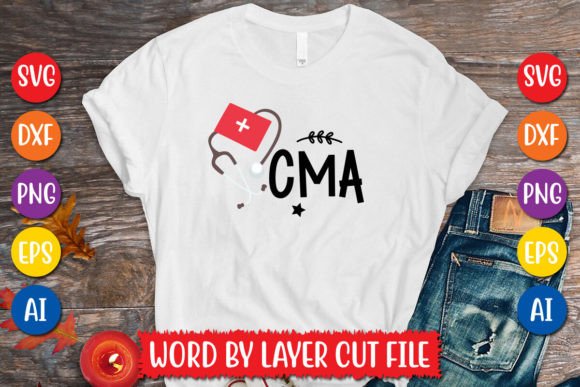
At its core, CMA SVG Design refers to a specific type of scalable vector graphic file, meticulously crafted to maintain its clarity and detail at any size. Unlike raster images, which pixelate when scaled, SVG files are built on mathematical paths. This fundamental difference makes them the gold standard for applications ranging from intricate logo design and brand identity systems to large-format print design and responsive web design. The value lies in their infinite scalability and editability, ensuring your visual design remains crisp from a business card to a billboard.
The Anatomy of a Professional Design Asset
A truly professional creative asset package is more than a single file. It provides a comprehensive toolkit to ensure seamless integration into any design environment. When evaluating resources like a CMA SVG Design package, understanding the included files is key to a smooth design workflow.
- SVG (Scalable Vector Graphics): The cornerstone for web design, UI design, and cutting machines like Cricut and Silhouette. It ensures lightweight, resolution-independent graphics.
- AI (Adobe Illustrator): The native source file, offering full control for advanced editing within Adobe Illustrator. This is essential for deep customization and maintaining design integrity.
- EPS (Encapsulated PostScript): A universal vector format compatible with a vast array of professional software, making it a reliable choice for print design and cross-platform collaboration.
- DXF (Drawing Exchange Format): Primarily used for CAD and laser cutting applications, extending the asset's utility into manufacturing and industrial design.
- PNG & JPEG: High-resolution raster files (like a 300 DPI PNG with a transparent background) are crucial for digital marketing, social media graphics, and presentations where vector formats aren't supported.
This multi-format approach guarantees compatibility, empowering creators to use the asset across Adobe Photoshop, Inkscape, and other design tools without compromising on quality or visual hierarchy.
Strategic Applications for Branding and Communication
Integrating a well-designed CMA SVG Design into your projects can significantly elevate your brand's visual communication. Its applications are vast, touching nearly every aspect of a brand's presence.
In branding and logo design, the scalability of SVG is non-negotiable. A logo must be equally effective as a tiny favicon or a storefront sign. For marketing materials—from flyers to email headers—vector assets ensure that typography and icons remain sharp, reinforcing a professional presentation. On social media, where content is consumed quickly, a clean, high-impact graphic can be the difference between engagement and being scrolled past.
Furthermore, in packaging design, the precision of vector files allows for flawless print production. For web and UI design, SVGs load faster and look perfect on any screen, directly improving user experience (UX). Even in editorial layouts and advertising campaigns, these assets provide the modern aesthetics and clarity needed to capture and hold audience attention.
Tips for Effective Implementation
Simply having a good file isn't enough; effective use is what delivers results. Here are practical considerations for leveraging design assets like a CMA SVG Design file:
- Ensure Brand Consistency: Before incorporating any new element, audit its color palette, style, and weight against your existing brand identity. Does it align with your established visual language?
- Prioritize Readability and Clarity: Test the design at various sizes. Ensure that intricate details don’t become muddy when reduced and that the overall composition has a clear visual hierarchy.
- Check Software Compatibility: Always verify that the file formats provided are compatible with your primary design tools, whether that's Adobe Illustrator, Silhouette Studio, or another program.
- Consider the Context: A design meant for embroidery will have different requirements than one for a mobile app interface. Use the appropriate file format (e.g., SVG for web, EPS for print) for your specific creative project.
Ultimately, the strength of your visual design rests on the quality of its components and the intentionality behind their assembly. Thoughtful selection and skilled implementation of professional creative assets are fundamental. They do more than just decorate; they streamline your design workflow, ensure brand coherence, and transform a simple message into a compelling, memorable visual experience that resonates with your audience and achieves your communication goals.